
How to prepare for an emergency?
Preparing in advance can make a big difference when an emergency occurs
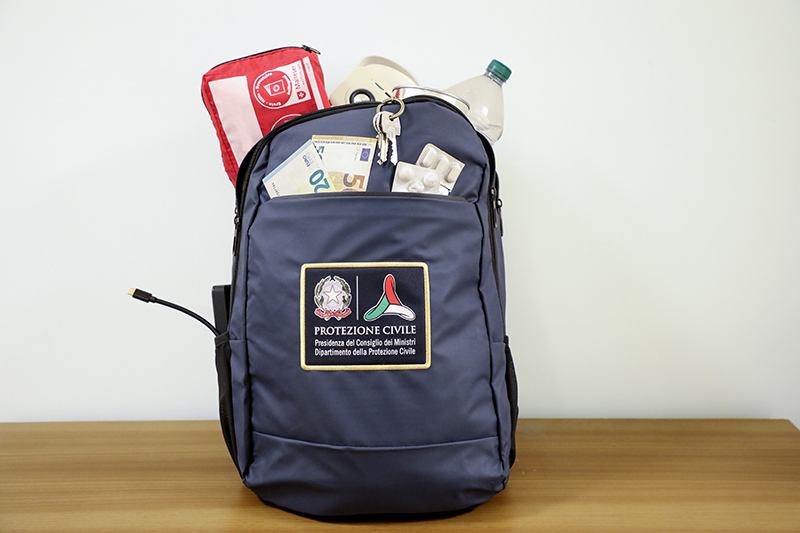
Preparing in advance can make a big difference when an emergency occurs. A ready-to-go backpack with a few essential items can reduce disruption for you and your family, while also making rescue workers' efforts easier during the first few hours.
As a general rule, don't wait for an emergency to think about how to deal with it. Start preparing now by gathering the essentials you may need in any situation. First, understand the risks in the area where you live or are staying, and know what to do when an alert or warning is issued. Bear in mind that some risks are more likely to require evacuation (landslides, earthquakes, wildfires, etc.), while in other situations the authorities may advise people to stay indoors.
Choose a spacious, waterproof backpack or duffel bag that is easy to carry, and make sure to keep it somewhere easily accessible to all family members. Remember that while some items are always recommended, what you pack should be tailored to each person's individual needs.
- Medicines (including life-saving medication and any medication taken regularly by family members)
- Water (at least one litre per person, including pets) and some long-lasting snacks
- Hygiene kit (tissues, wet wipes, sanitary pads, hand sanitizer, toothbrushes and toothpaste, etc.)
- First aid kit (plasters, bandages, disinfectant, etc.)
- A folder containing:
- Copies of identity documents
- A list of the most important phone numbers
- Spare car and house keys
- Cash - Chargers and a powerbank
- Battery-powered or hand-crank radio
- Battery-powered or hand-crank flashlight
- Spare batteries
- Lighter
- Blanket
- Rope
- Multi-tool knife
- Whistle
- Other items depending on each family's specific needs: a spare pair of glasses, if needed by a family member; diapers and other baby care products, if there is an infant; a lead, bowl and muzzle, if there is a dog, etc.
There may be situations in which the authorities ask you to stay indoors, for example following heavy snowfall, an industrial accident, a power outage or other unforeseen human-caused events. To be prepared for such situations, it's a good idea to stock up on the following supplies at home, in addition to your emergency backpack:
- A supply of water (at least 2–3 litres per person per day, including pets)
- A supply of long-lasting food (preferably that can be eaten without gas or electricity)
- Check that your powerbank is fully charged and that your flashlight and radio are working properly.
- Check that your list of important phone numbers is up to date.
- Check your medicines and replace any that are about to expire.
- Remember to use and replenish your water, snacks and food supplies.
- Keep your emergency backpack somewhere easy to reach (not in the basement or on top of a wardrobe), and make sure every family member knows where it is and what it contains.
Remember that preparing in advance helps reduce disruption in a potentially dangerous situation. It also makes emergency responders' efforts more effective, allowing them to prioritize the most urgent tasks.